Termites Behind Stucco
A Hidden Risk in Older Homes

If you own a home on the Eastside of Santa Rosa—especially in the Montgomery Village neighborhood—this is something you need to be aware of.
Termites in Santa Rosa
What Homeowners Should Do
If your home was built prior to 1960 in Montgomery Village or surrounding Eastside neighborhoods, here are a few proactive steps:
1. Check your soil-to-stucco clearance.
There should be a visible gap between soil and siding. If stucco is touching soil, it’s a red flag.
2. Maintain proper drainage.
Poor drainage increases moisture—exactly what subterranean termites need.
3. Consider trenching or treatment around the foundation.
A properly applied soil treatment can create a protective barrier.
4. Schedule a professional inspection.
Especially if you’ve never had one or if it’s been several years.
Older homes have incredible character. Montgomery Village is one of the most desirable and established neighborhoods in Santa Rosa. But construction methods from the mid-20th century often didn’t account for modern pest management standards.
If you live on the Eastside and your stucco goes below grade, it’s worth having it evaluated. Termites thrive in hidden environments—and below-grade stucco gives them exactly that.
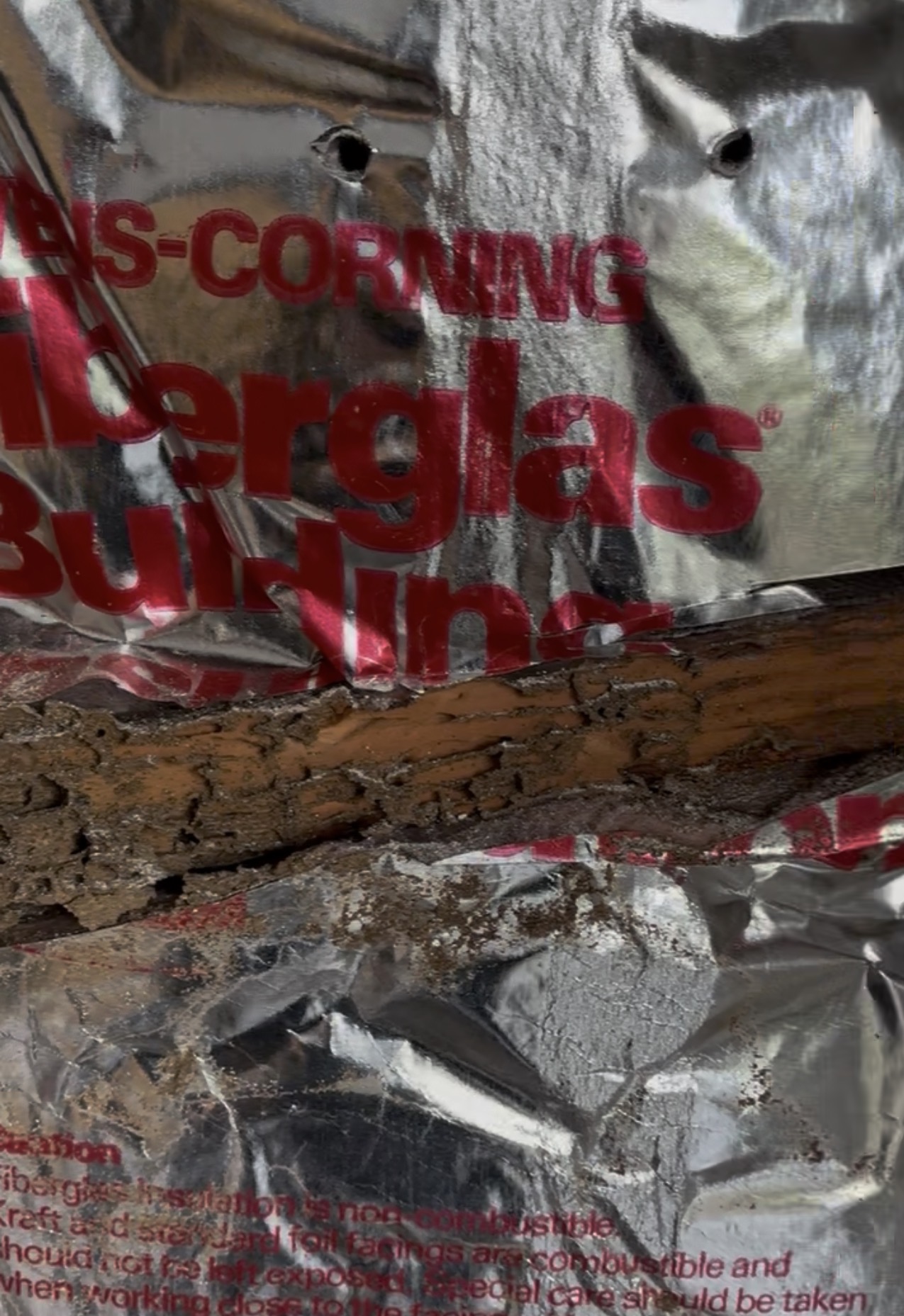
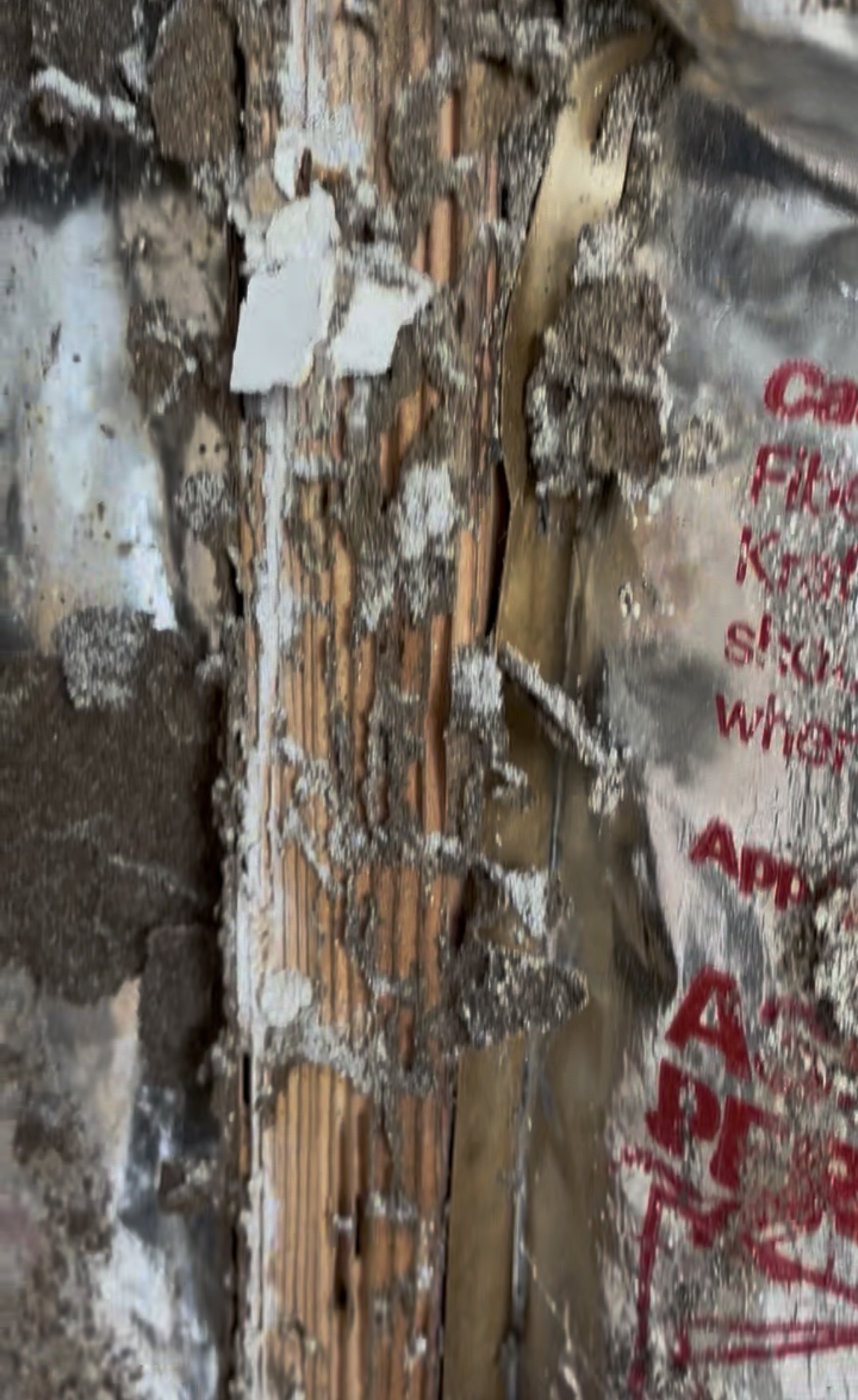
@nature.pacific Subterranean termites doing damage to this wall. Got in behind the stucco undetected because the stucco went below the grade. This is a common issue in older homes. #stucco #termites #construction #insulation #pestcontrol ♬ original sound - Nature Pacific
Why Stucco Below Grade Is a Problem
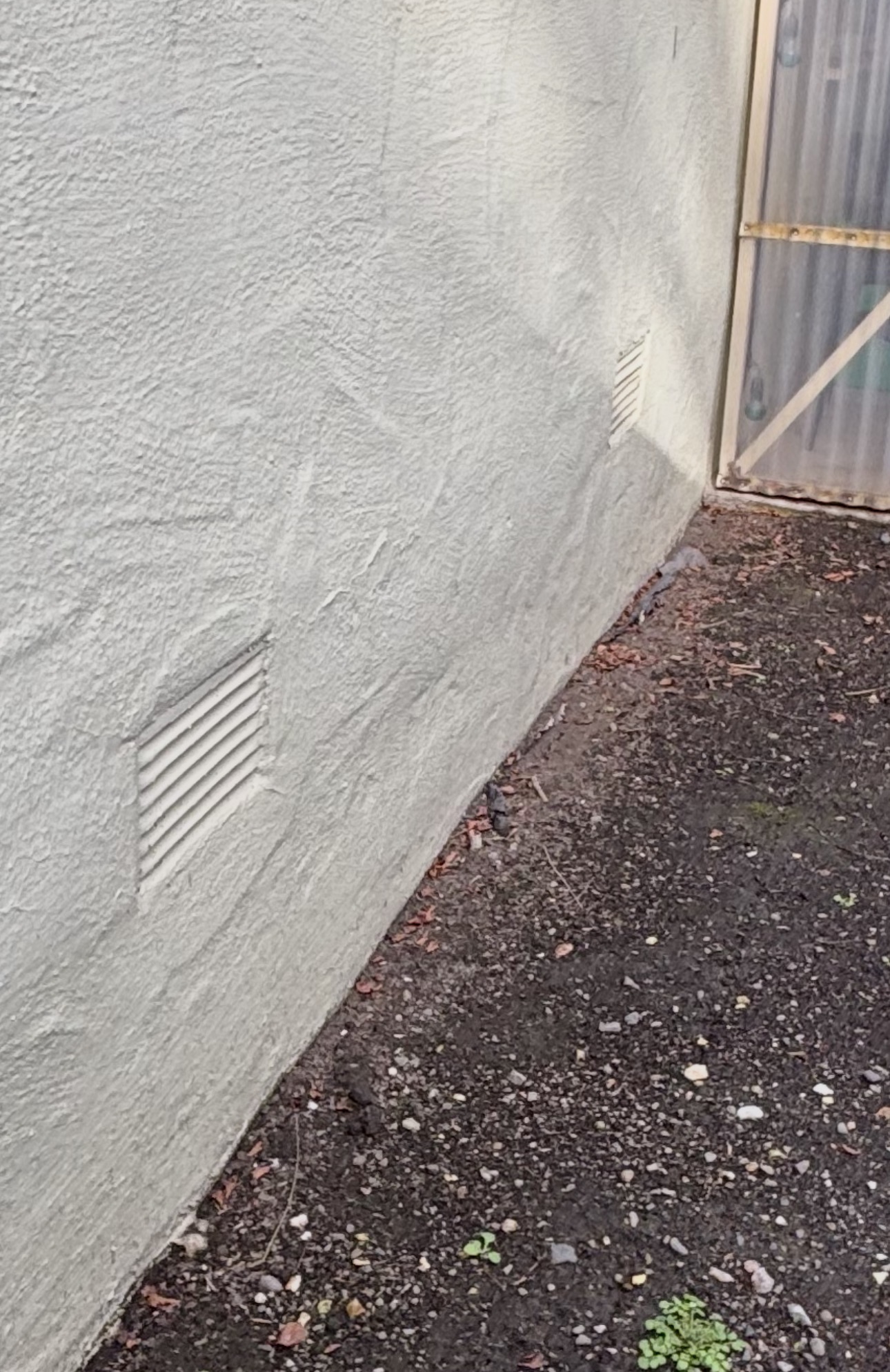
Subterranean termites live in the soil. They require moisture and build mud tubes to travel from the ground to wood sources. In modern construction, building codes require a visible foundation gap between soil and siding materials. This allows inspectors (and homeowners) to spot termite activity early.But in many pre-1960 Montgomery Village homes, the stucco runs directly into the soil. That means:
- There’s no visible foundation line
- No inspection gap
- No easy way to see termite mud tubes
- Termites can travel behind the stucco undetected
They enter from the soil, move behind the stucco, and begin feeding on sill plates and framing members without ever having to build visible exterior tubes.
By the time damage becomes noticeable inside—like soft baseboards, warped trim, or door frames that feel “spongy”—the termites may have been active for years.
What We’re Seeing in Eastside Santa Rosa
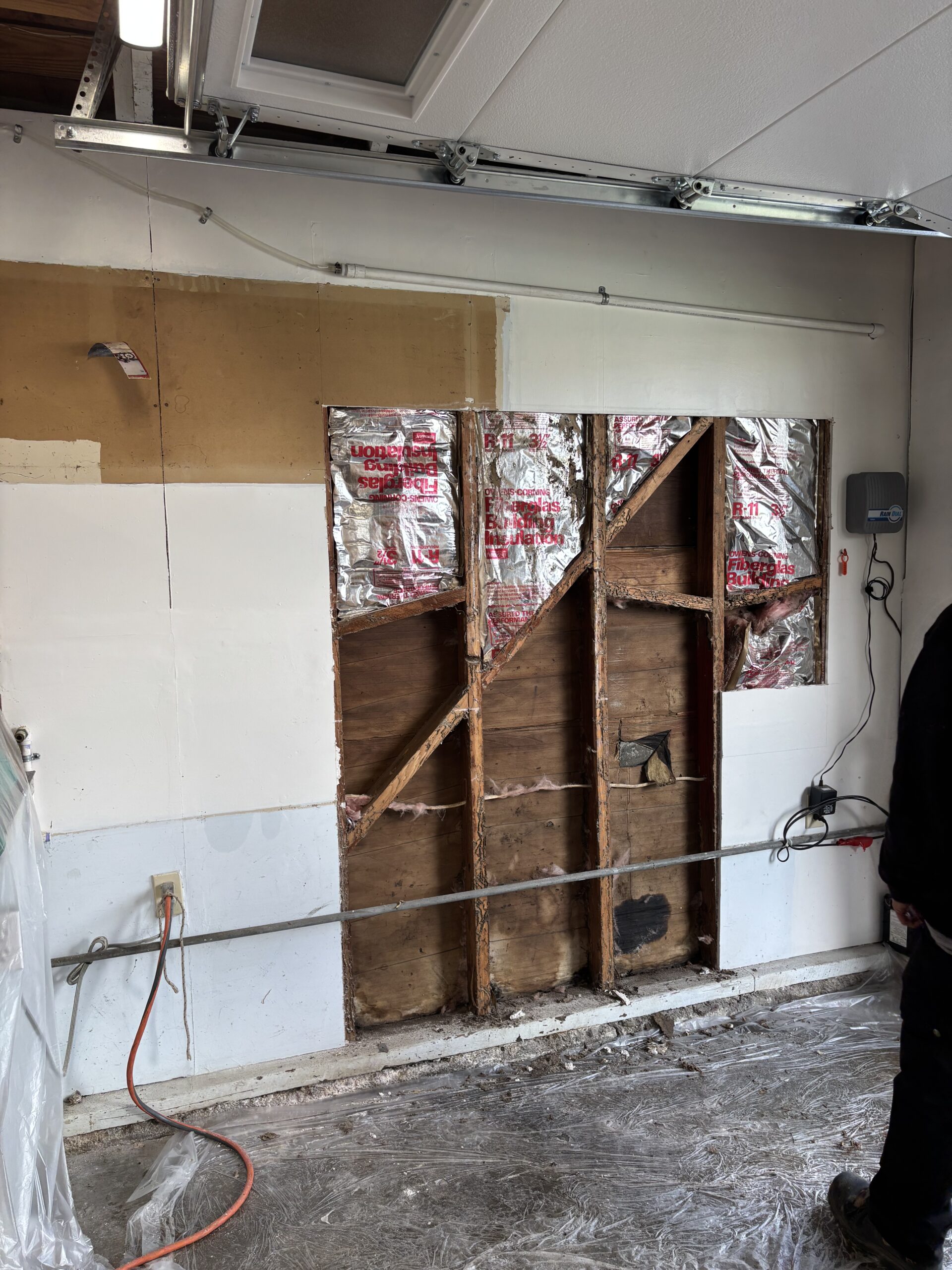
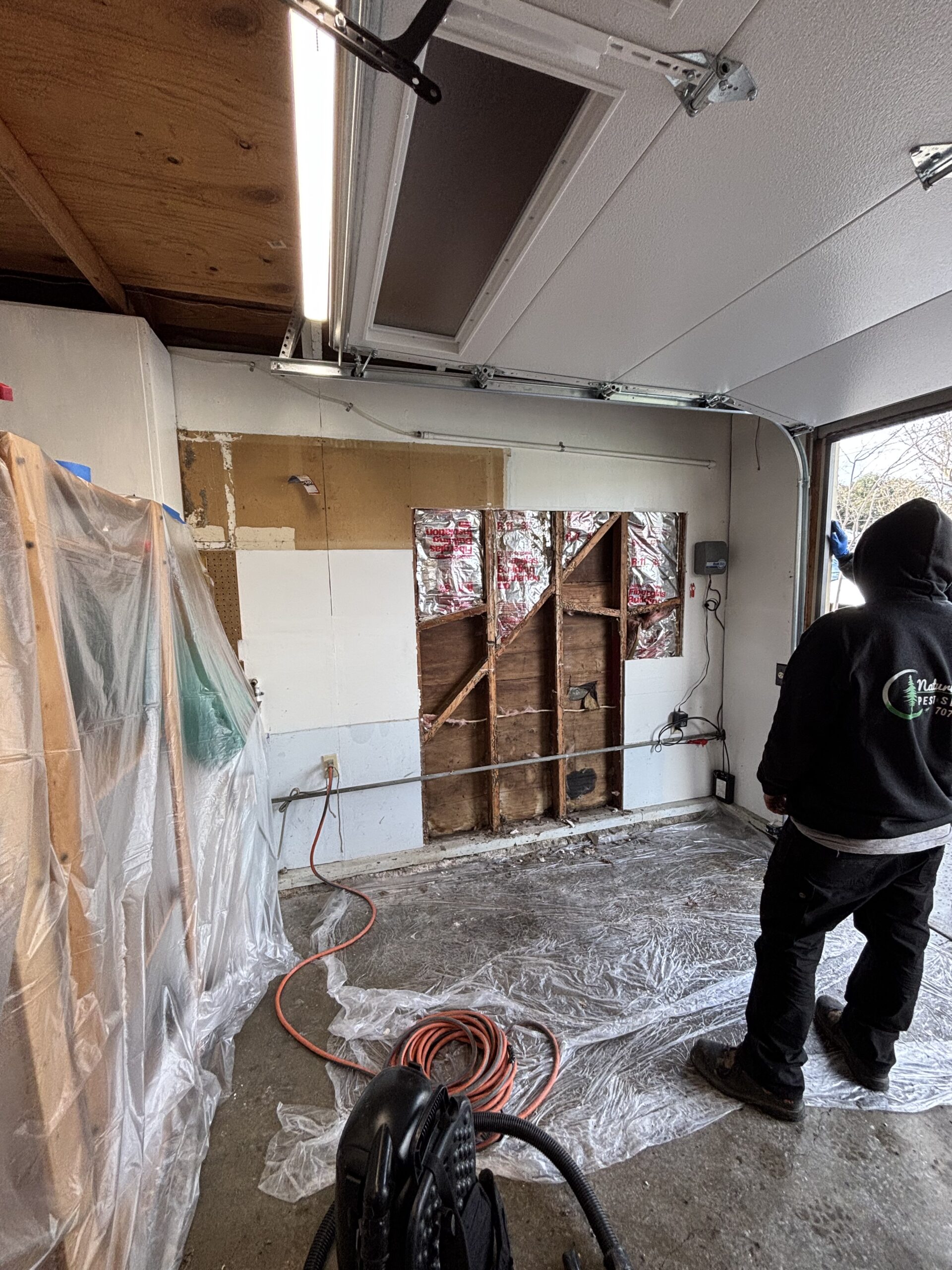
In this particular Montgomery Village home, termites were able to access the structure entirely behind the stucco. There were no obvious exterior mud tubes. No visible signs from the outside.
The infestation was only discovered during a detailed inspection when subtle interior indicators raised concern. Once opened up, there was clear evidence of subterranean termite activity behind the wall assembly.
Unfortunately, this is not uncommon for homes built in the 1940s and 1950s throughout East Santa Rosa.
A Piece of Mind
At Nature Pacific Pest, we don’t just offer solutions; we provide peace of mind. We’re here to protect your home and ensure it remains a safe and comfortable sanctuary. If you’re in Sebastopol or the surrounding areas, trust us for your pest control needs, whether it’s inspections, treatments, or ongoing maintenance. Your satisfaction and the well-being of your home are our top priorities.
LOCAL, FAMILY OWNED
INQUIRE TODAY
Don’t wait another day. Call or email us today about your pest problem. Our team members have decades of experience in both Sonoma County and Marin County.
Termites Behind Stucco in Montgomery Village: A Hidden Risk in Older Santa Rosa Homes
If you own a home on the Eastside of Santa Rosa—especially in the Montgomery Village neighborhood—this is something you need to be aware of.
Termites eating garage wallMany homes built prior to 1960 were constructed with stucco that extends below grade (below the soil line). At the time, this wasn’t uncommon. But today, we know that this construction detail creates a serious vulnerability—particularly when it comes to subterranean termites.Why Stucco Below Grade Is a ProbleSubterranean termites live in the soil. They require moisture and build mud tubes to travel from the ground to wood sources. In modern construction, building codes require a visible foundation gap between soil and siding materials. This allows inspectors (and homeowners) to spot termite activity early.But in many pre-1960 Montgomery Village homes, the stucco runs directly into the soil. That means:
- There’s no visible foundation line
- No inspection gap
- No easy way to see termite mud tubes
- Termites can travel behind the stucco undetected
They enter from the soil, move behind the stucco, and begin feeding on sill plates and framing members without ever having to build visible exterior tubes.
By the time damage becomes noticeable inside—like soft baseboards, warped trim, or door frames that feel “spongy”—the termites may have been active for years.
What We’re Seeing in Eastside Santa Rosa
In this particular Montgomery Village home, termites were able to access the structure entirely behind the stucco. There were no obvious exterior mud tubes. No visible signs from the outside.
The infestation was only discovered during a detailed inspection when subtle interior indicators raised concern. Once opened up, there was clear evidence of subterranean termite activity behind the wall assembly.
Unfortunately, this is not uncommon for homes built in the 1940s and 1950s throughout East Santa Rosa.
If you’d like an inspection or have questions about your specific home, reach out. Catching this early can save thousands in structural repairs down the road.
📞 707-807-4400
naturepacificpest.com 💻