Surface Fungus Under Homes
A Wood Destroying Organism
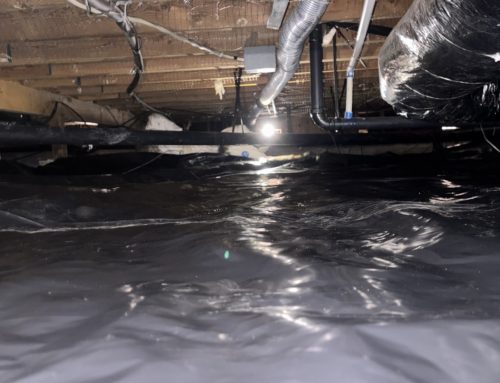
Surface fungus is a wood-destroying organism commonly found in crawlspaces and, in some cases, attics throughout Santa Rosa and Sonoma County homes.
Dry wood Termite Fumigation in Northwest Santa Rosa
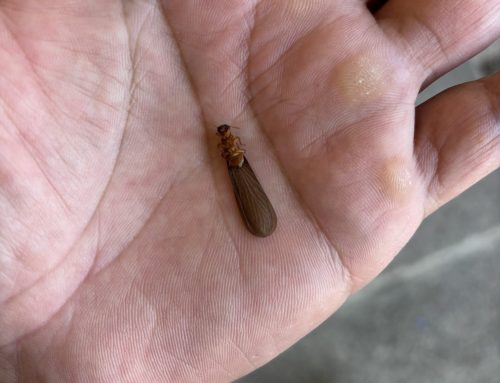
If you live in Northwest Santa Rosa near Piner High School and have noticed termite swarmers, frass (termite droppings), or damaged wood around your home, it may be time to consider a drywood termite fumigation.
In many older neighborhoods throughout Northwest Santa Rosa, drywood termites are a common issue. Homes with aging siding, exposed wood trim, attic framing, and older construction materials can become ideal environments for termite activity. Unlike subterranean termites that travel through the soil, drywood termites live directly inside the wood they consume — often staying hidden for years before homeowners notice visible damage.
Why Drywood Termites Are a Serious Problem
Drywood termites silently tunnel through structural wood members including:
- Attic rafters
- Fascia boards
- Window trim
- Siding
- Subflooring
- Roof framing
One of the most common signs homeowners notice is termite droppings called “frass,” which looks similar to tiny wood-colored pellets or sawdust piles near windows, baseboards, or attic spaces. Swarming termites around lights or windows are another major warning sign.
Because these termites live deep inside the wood, spot treatments are not always enough. In many cases, full-structure fumigation is the most effective way to eliminate an active infestation throughout the entire home.
What Happens During a Fumigation?
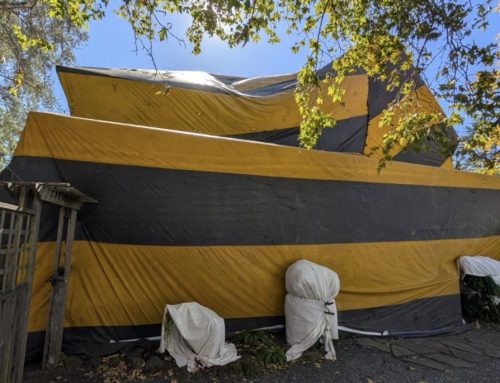
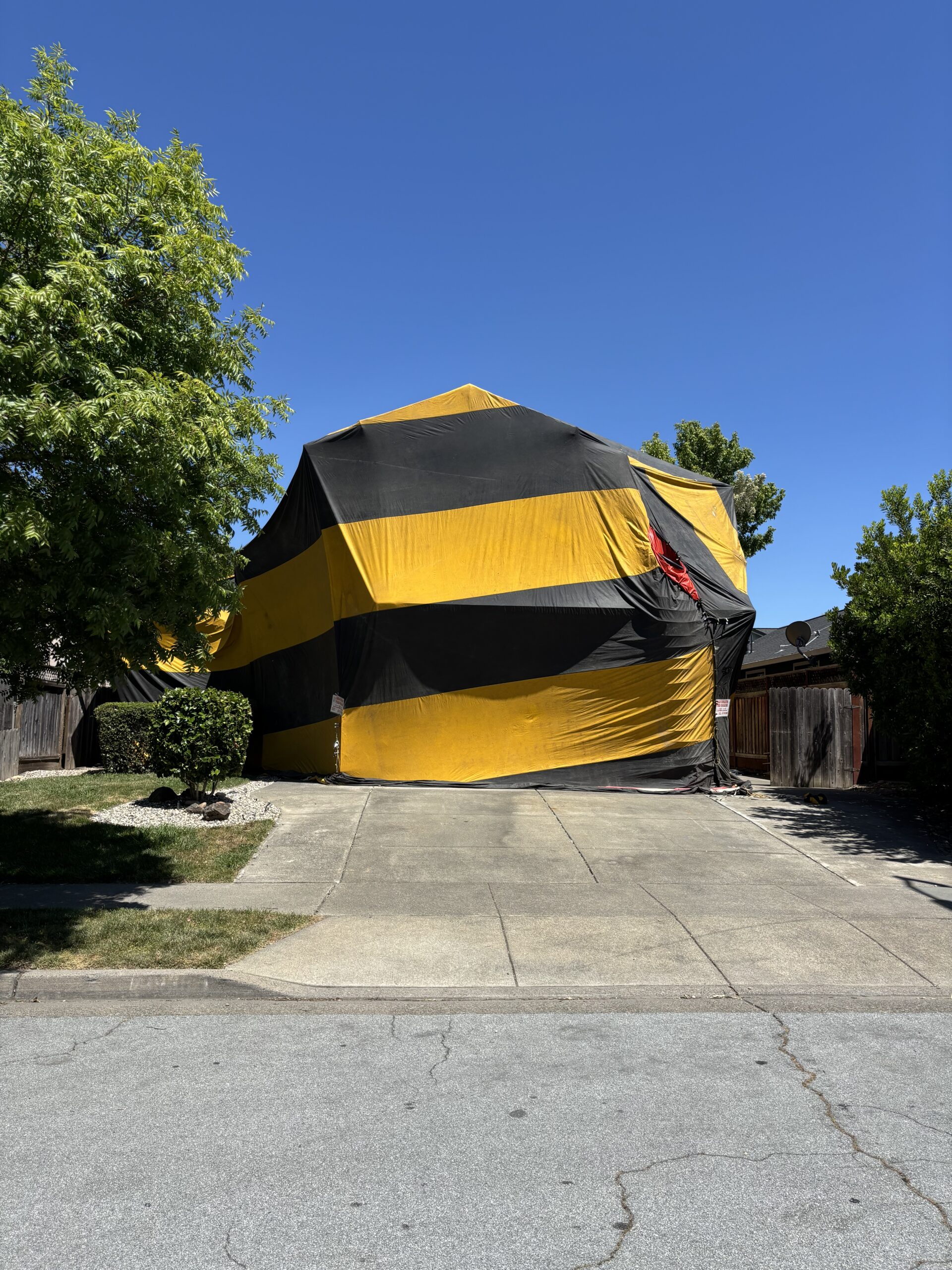
During a fumigation service, the home is carefully sealed with large tarps and a professional fumigant is introduced into the structure. The gas penetrates deep into the wood members where termites are hiding — including areas that cannot be reached with traditional surface sprays.
The fumigation process typically includes:
- Thorough termite inspection
- Preparing the structure for fumigation
- Tarping the home
- Introducing the fumigant
- Aeration and clearance testing
- Final walkthrough and recommendations
Most termite fumigations require homeowners to be out of the home for approximately 2–3 days depending on the size of the structure and treatment requirements.
Why Northwest Santa Rosa Homes Are Vulnerable
Neighborhoods near Piner High School and surrounding Northwest Santa Rosa areas often feature mature trees, older wood-framed homes, and favorable climate conditions for termite activity. Combined with Sonoma County’s seasonal moisture and warm temperatures, termites can thrive if infestations go untreated.
Many infestations go unnoticed until:
- Paint begins bubbling
- Wood sounds hollow
- Doors or windows start sticking
- Swarmers appear indoors
- Damage is discovered during a pest inspection or real estate transaction
Unfortunately, termite damage is usually not covered by homeowners insurance policies.
Protecting Your Home
If you suspect drywood termites in your home, early detection is critical. A professional WDO (Wood Destroying Organism) inspection can help determine:
- The extent of infestation
- Whether spot treatment or fumigation is recommended
- Existing termite damage
- Conditions conducive to future infestations
A Piece of Mind
At Nature Pacific Pest, we don’t just offer solutions; we provide peace of mind. We’re here to protect your home and ensure it remains a safe and comfortable sanctuary. If you’re in Sebastopol or the surrounding areas, trust us for your pest control needs, whether it’s inspections, treatments, or ongoing maintenance. Your satisfaction and the well-being of your home are our top priorities.
LOCAL, FAMILY OWNED
INQUIRE TODAY
Don’t wait another day. Call or email us today about your pest problem. Our team members have decades of experience in both Sonoma County and Marin County.